
⚠️ Medical Disclaimer: This page is for general information only. It is not medical advice and cannot replace a personal exam by a qualified doctor. Always consult an orthopedic specialist or your physician about your own symptoms. If you have a medical emergency — such as a limb that looks bent, heavy swelling, numbness, or being unable to move or bear weight — seek care right away.
Published: August 2026 | Medically Reviewed by Dr. Tanvir Hasan Siddique
✅ Quick Answer
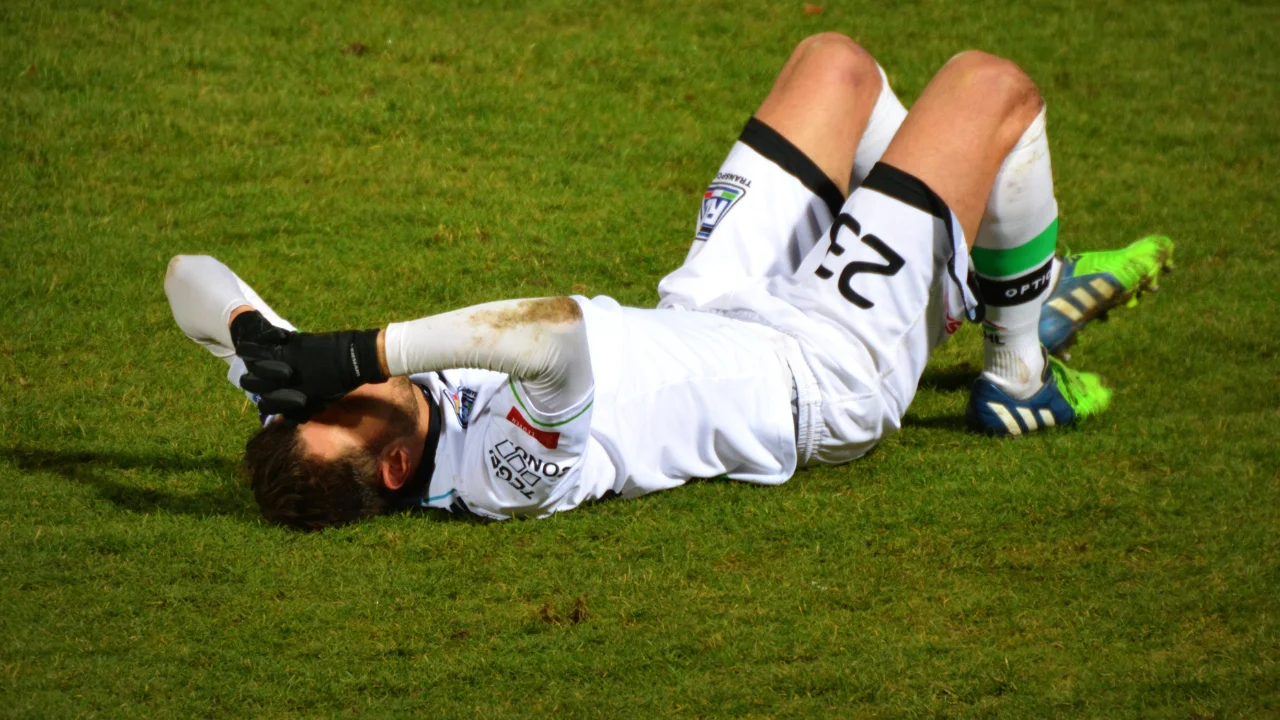
A sports injury is any injury that happens during sport, exercise, or physical activity — like a twisted ankle, a pulled muscle, or a sudden pain that stops your play. Some sports injuries are mild and settle with rest. Others need a proper check or urgent care. If you have severe pain, a limb that looks bent, heavy swelling, or you cannot move or bear weight, seek care right away.
You twisted your ankle in a football match. You felt a muscle pull at the gym. Or a sharp pain made you stop mid-run.
Now you hurt, and you are not sure how bad it is. You know something happened during your activity — but what does it mean?
You are in the right place. This page helps you understand what a sports injury is, how serious it might be, and where to go next.
What Is a Sports Injury?
A sports injury is any harm to the body that happens during sport, exercise, or physical activity. It can affect your muscles, ligaments, tendons, joints, or bones.
That is the simplest sports injury meaning: an injury tied to how you were moving or playing. The sports injury definition stays broad on purpose, because one accident can cause many different problems.
You can get sports related injuries from football, cricket, running, gym workouts, or even everyday field and street play. Some show up right away. Others build slowly as pain and swelling grow.
What Are the Common Types of Sports Injuries?
Most sports injuries fall into a few broad groups. Naming them helps you know where to look next.
- A twisted or sprained joint, such as an ankle.
- A pulled or strained muscle.
- A joint injury in the knee, shoulder, or ankle.
- A possible broken bone after a hard fall or impact.
This page only names these patterns so you can find the right page. For a full breakdown of signs and injury types, see our Sports Injury Symptoms and Types page.
How Serious Is a Sports Injury?
Not every sports injury is an emergency, but some signs should never wait. This is a calm, high-level guide to help you gauge where you stand — not a diagnosis.
🟢 Mild and Manageable
Mild injuries often come with light pain and slight swelling, and you can still move the area. Rest, gentle care, and watching the symptoms closely may be enough at first.
🟡 Get Checked Soon
Stronger pain, growing swelling, or trouble using the area means you should get checked soon. Do not ignore symptoms that are getting worse instead of better.
🔴 Seek Care Right Away
Some signs need care right away: a limb that looks bent, heavy swelling, a snap or pop with sudden loss of function, numbness, or being unable to bear weight.
Important: If any urgent signs appear, see our When to Seek Urgent Care for a Sports Injury page and get help straight away.
What Should You Do First After a Sports Injury?
If you are hurt, stop the activity, rest the area, avoid putting weight on it, and get it checked if the pain or swelling is strong or does not settle. Gentle care in the first moments helps prevent more harm.
Do not push through sharp pain or try to “play it out.” That can turn a small problem into a bigger one.
For genuine emergency signs, do not wait — get urgent care. For deeper first-step and treatment detail, see our Sports Injury Diagnosis and Treatment page.
When Should You See an Orthopedic Specialist?
See an orthopedic specialist if your pain lasts, the swelling does not settle, you cannot use or move the area well, a joint feels unstable, or you have any doubt about how serious the injury is.
According to the American Academy of Orthopaedic Surgeons (AAOS), sports injuries that do not improve or that limit normal movement should be examined by a doctor so they can be treated properly and heal well.
At his clinic in Dhaka, Dr. Tanvir Hasan Siddique examines the injured area, listens to how the injury happened, and explains what is going on in plain words. Dr. Tanvir Hasan Siddique then gives you a clear plan and clear next steps before you leave.
Book an evaluation with Dr. Tanvir Hasan Siddique today to find out how serious your sports injury is and what to do about it.
Book an Evaluation with Dr. Tanvir →
Where to Go Next
This page helps you recognize what your sports injury may involve and decide your first step. For deeper answers, follow the right link below.
- Signs and injury types → see our Sports Injury Symptoms and Types page.
- Urgent or emergency signs → see our When to Seek Urgent Care for a Sports Injury page.
- A specific body part, such as ankle, knee, or shoulder → see our Sports Injury by Body Part page.
- Diagnosis and treatment → see our Sports Injury Diagnosis and Treatment page.
- Healing and return to play → see our Sports Injury Recovery and Return to Play page.
- Avoiding future injury → see our Sports Injury Prevention page.
Frequently Asked Questions About Sports Injuries
What is a sports injury?
A sports injury is any harm to the body that happens during sport, exercise, or physical activity. It can affect muscles, ligaments, tendons, joints, or bones, and can range from a minor strain to a serious break.
What are the most common sports injuries?
Common sports injuries include a twisted or sprained ankle, a pulled or strained muscle, a joint injury in the knee or shoulder, and a possible broken bone after a hard fall. Each type has its own signs, which our Sports Injury Symptoms and Types page explains in full.
How do I know if my sports injury is serious?
Watch for severe pain, heavy swelling, a limb that looks bent, a snap or pop with loss of function, numbness, or being unable to bear weight. These are urgent signs that need care right away. When you are unsure, a proper check is the safest choice.
What should I do first after a sports injury?
Stop the activity, rest the area, avoid putting weight on it, and get it checked if the pain or swelling is strong or does not settle. Do not push through sharp pain. For emergency signs, seek urgent care.
Can I keep playing with a minor sports injury?
It is best not to. Playing on even a small injury can make it worse and slow your recovery. Rest the area, watch how it feels, and get it checked if pain or swelling grows.
When should I see a specialist for a sports injury?
See a specialist if the pain lasts, the swelling does not settle, you cannot use the area, a joint feels unstable, or you have any doubt about how serious the injury is. An early check helps you heal better and avoid hidden problems.
Where can I see a sports injury specialist in Dhaka?
You can book an evaluation with Dr. Tanvir Hasan Siddique at his clinic in Dhaka. Dr. Tanvir Hasan Siddique examines the injury, explains what is likely going on in plain words, and guides your next steps clearly.
Take the Next Step
You do not have to guess how serious your injury is. A clear evaluation gives you answers and peace of mind.
Book an appointment with Dr. Tanvir Hasan Siddique in Dhaka today.
Book an Appointment with Dr. Tanvir →
You may also find these pages useful:
- Learn the signs and types on our Sports Injury Symptoms and Types page →
- Check urgent warning signs on our When to Seek Urgent Care for a Sports Injury page →
- Find body-part specifics on our Sports Injury by Body Part page →
- Understand tests and treatment on our Sports Injury Diagnosis and Treatment page →
- Plan your healing on our Sports Injury Recovery and Return to Play page →
- Avoid future injury on our Sports Injury Prevention page →
About This Page
Written by: Md. Salauddin Biswas
MA in Medical Anthropology, University of Heidelberg, Germany | Former Senior Research Associate, James P Grant School of Public Health, BRAC University | Health Content Writer & SEO Specialist | Published in BMC Human Resources for Health | EEAT-Optimized Medical Content. Visit Website: salauddinbiswas.com
Medically reviewed by: Dr. Tanvir Hasan Siddique
MBBS, BCS Health, FACS (USA), MS Orthopedic Surgery, Fellowship in Arthroplasty | Associate Professor, Department of Orthopedic Surgery, Sir Salimullah Medical College & Mitford Hospital
Last updated: August 2026 | Last medically reviewed: August 2026
References
- American Academy of Orthopaedic Surgeons (AAOS), OrthoInfo. Sports Injuries. https://orthoinfo.aaos.org/en/diseases–conditions/sports-injuries/
- National Health Service (NHS), UK. Sprains and strains. https://www.nhs.uk/conditions/sprains-and-strains/
- World Health Organization (WHO). Physical activity. https://www.who.int/news-room/fact-sheets/detail/physical-activity