
⚠️ Medical Disclaimer: This page is for general information only. It is not medical advice and cannot replace a personal examination by a qualified doctor. Always consult an orthopedic specialist or your physician about your own symptoms. If you experience a medical emergency — such as sudden severe joint pain, inability to bear any weight, or signs of infection — seek care right away.
Last updated: August 12, 2026 | Last medically reviewed: August 12, 2026
✅ Quick Answer
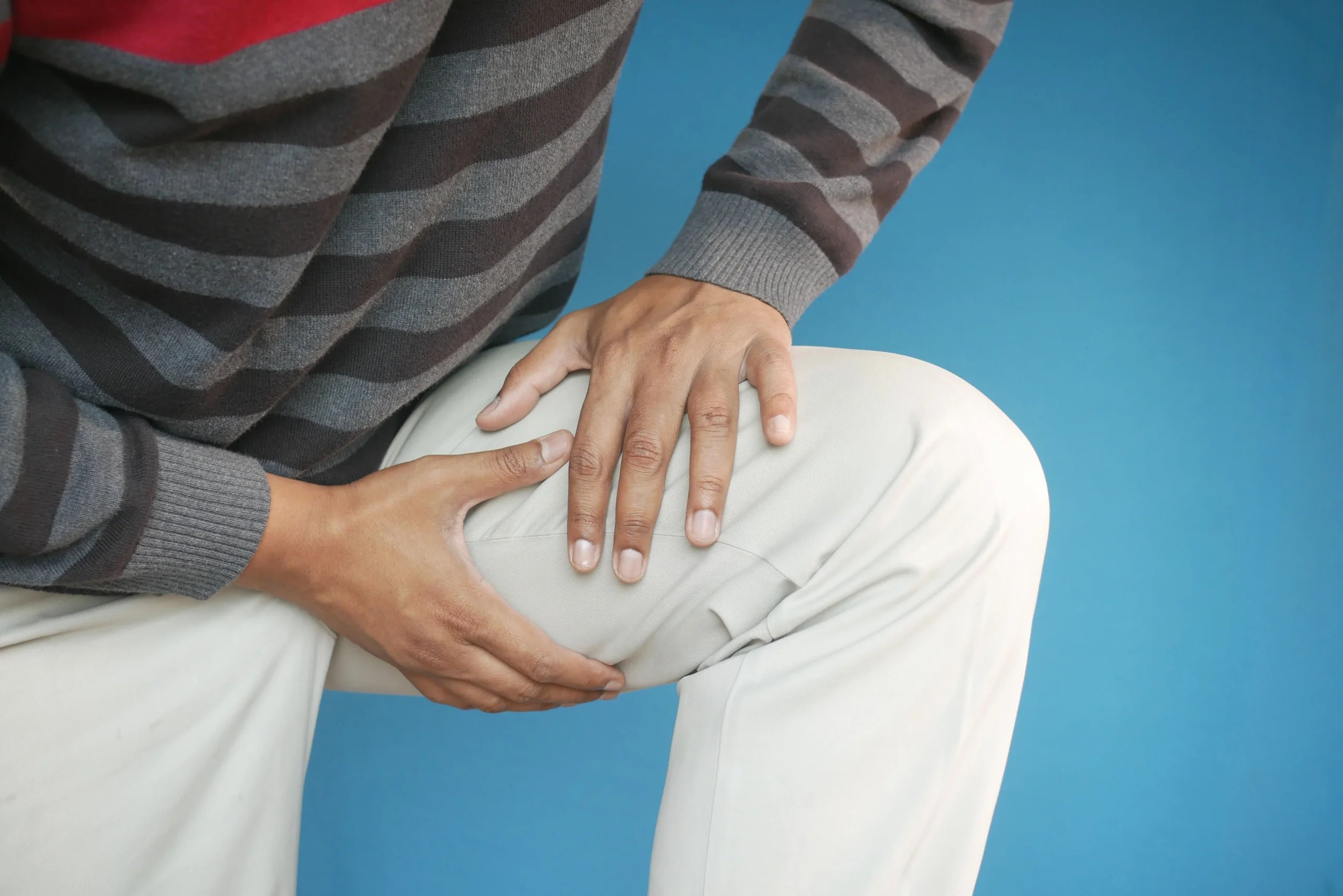
If a previously replaced hip or knee has started causing pain, stiffness, instability, or swelling again, these changes deserve a proper evaluation — not guesswork. Problems with a replaced joint can develop gradually and do not always mean another operation is needed. A calm, careful assessment by an orthopedic specialist helps you understand what is happening and what your real options are, starting with non-surgical care before anything else is considered.
A joint replacement can bring years of comfort and easier movement. So when a joint that once felt fine starts causing trouble again, it can feel confusing and unsettling.
If you have noticed pain, stiffness, or a change in how your replaced hip or knee feels, you are not imagining it. Changes after surgery can happen, and noticing them early gives you the best chance to understand what is going on and what may help. [1]
This page is here to help you make sense of those changes. It is not about rushing toward another operation — it is about recognising when an earlier replacement may need attention and what a calm, careful evaluation can offer next.
Recognising the Signs
Problems with a replaced joint often build slowly, in the same quiet way many joint issues begin. [2] You might notice:
- Returning pain in or around the joint that was replaced, even after a long comfortable period [1]
- A loose or unstable feeling, as though the joint no longer moves securely [3]
- Reduced movement or new stiffness that makes everyday tasks harder [2]
- Swelling or warmth around the joint that does not settle [4]
- A change in how you walk, or less confidence putting weight on that side [3]
One uncomfortable day is easy to shrug off. But when these signs keep returning or slowly get worse, they are worth paying attention to. These changes can develop gradually, and they do not always mean something serious — yet they do deserve a proper look. [2]
সম্পর্কিত সমস্যা: অপারেশনের পর ব্যথা ফিরে আসা, জয়েন্ট আলগা হয়ে যাওয়া, অস্থির লাগা, নড়াচড়া কমে যাওয়া, ফুলে যাওয়া।
Why These Changes Deserve Proper Evaluation
It can be tempting to tell yourself the discomfort will pass, or that it is simply part of getting older. Sometimes it does settle on its own. But when problems with a replaced joint keep returning, linger longer, or slowly limit what you can do, that pattern is worth understanding rather than ignoring. [1]
Leaving it unchecked rarely helps. Ongoing discomfort can change how you move, affect your sleep, and chip away at your confidence on your feet. You may begin favouring the other side of your body, which can strain nearby joints and muscles over time. [4]
A proper evaluation matters because it replaces guesswork with clarity. Instead of wondering whether the feeling is “bad enough” to mention, you get a clear picture of what is happening with the joint — and what your real options are. [2]
According to the American Academy of Orthopaedic Surgeons (AAOS), early evaluation of symptoms following joint replacement allows for a wider range of treatment options and better long-term outcomes — whether or not further surgery is ever needed. [1]
What a Revision Evaluation Involves
An evaluation of a previously replaced joint is a careful, unhurried process focused on understanding your situation. It usually starts with a conversation, not a plan for treatment. Your specialist will want to hear your story: when the problem began, how it behaves, what makes it better or worse, and how it affects your daily life.
From there, an evaluation may include: [3]
- A physical examination to check the joint’s movement, stability, and strength [1]
- A review of your history, including your original surgery, how long the joint felt comfortable, and any recent changes [2]
- Imaging when needed, such as an X-ray, to see the current condition of the joint and the earlier replacement [4]
Just as importantly, an evaluation looks at non-surgical paths first. For many people, options like guided exercise, physiotherapy, activity adjustments, or medication can ease discomfort and support the movement they have. Another operation is never the starting point — it is one possible option among several, considered only when it genuinely fits your needs. [3]
মনে রাখবেন: মূল্যায়নের প্রথম ধাপ হলো আপনার সমস্যা বোঝা এবং অস্ত্রোপচার ছাড়াই সমাধানের পথগুলো আগে বিবেচনা করা। Another operation is never the starting point — it is one possible option among several, considered only when it genuinely fits your needs.
How Concerning Are Your Symptoms? A Simple Guide
Not every change after joint replacement needs urgent attention — but some patterns should not wait. Use this simple guide to understand where you stand. This is a guide, not a diagnosis.
🟢 Level 1 — Mild and Occasional
You notice some soreness or stiffness around the replaced joint after activity, but it eases with rest and does not return every day. Keep an eye on it and consider a check-up if it recurs.
🟡 Level 2 — Returning and Noticeable
Pain or instability comes back regularly. Walking, climbing stairs, or getting up from a seat is harder than it was after your recovery. Plan to get a proper evaluation soon.
🟠 Level 3 — Persistent and Limiting
Discomfort or instability is present most days. You have changed how you move, reduced your activities, or lost confidence on that side. Do not wait — arrange a specialist evaluation.
🔴 Level 4 — Severe and Urgent
You cannot bear weight on the joint, the joint is visibly swollen or hot, you have a fever alongside joint pain, or you feel sudden severe instability. These may be signs of infection or implant failure. Seek care right away.
When Revision Surgery May Be Considered
For many people, problems with a replaced joint can be understood and managed without another operation. But sometimes, after a full evaluation and a fair trial of non-surgical care, discomfort or instability continues to limit daily life. When the joint has reached a point where other options no longer bring lasting relief, revision surgery may be discussed as one way forward. [3]
This decision is always made together, and always after careful review — never as a quick answer to returning symptoms. The goal is simple: to help you move, rest, and live more comfortably. If and when revision becomes part of the conversation, you will have the time and information you need to understand it fully before anything is decided.
According to the National Institute for Health and Care Excellence (NICE), revision joint replacement is considered only when non-surgical treatments have been tried and have not provided adequate relief, and when the impact on quality of life is significant. [5]
Take the First Step With a Proper Evaluation
If an earlier hip or knee replacement is troubling you again, the most helpful next step is a proper evaluation. There is no pressure and no rush — just a clear, caring look at what is going on and what your options are.
At his clinic in Dhaka, Dr. Tanvir Hasan Siddique takes time to listen to your story, examine the joint carefully, and explain what is happening in plain, honest words. You leave with a clear picture and a clear plan — not more uncertainty.
You deserve answers, not uncertainty. Book an evaluation today and take the first step toward moving more comfortably.
Book an Evaluation with Dr. Tanvir →
আজই একটি মূল্যায়নের জন্য যোগাযোগ করুন — আরাম ও স্বাভাবিক চলাফেরার দিকে প্রথম পদক্ষেপ নিন।
Frequently Asked Questions About Problems After Joint Replacement
Is it normal to have pain years after a hip or knee replacement?
Some mild aching after activity can be normal, especially in the early years after surgery. But pain that returns after a long comfortable period, keeps getting worse, or is accompanied by instability or swelling is not something to ignore. A specialist can examine the joint and tell you exactly what is happening. [1]
What causes a joint replacement to start causing problems again?
The most common reasons include implant wear over time, loosening of the components, instability, infection, or changes in the surrounding bone. Some causes develop gradually and quietly; others appear more suddenly. Only a proper examination and imaging can identify the true cause in your case. [2] [3]
Does returning pain after joint replacement always mean revision surgery?
No — not at all. Many people with returning symptoms after joint replacement are managed effectively without another operation. Physiotherapy, guided exercise, activity adjustments, and medication can all bring meaningful relief depending on the cause. Revision surgery is considered only when non-surgical options have been tried thoroughly and the impact on daily life remains significant. [4]
When is revision joint replacement surgery recommended?
Revision surgery is considered when persistent pain, instability, or joint damage continues to limit daily life despite a fair trial of non-surgical care. According to the AAOS, the decision is based on the severity of symptoms, the findings on imaging, and how much the condition affects quality of life. It is always a shared decision made after careful review — never a first response to returning symptoms. [1] [5]
What happens at a revision evaluation appointment?
A revision evaluation starts with a conversation about your symptoms, your original surgery, and how the joint has changed over time. Your specialist will then examine the joint — checking movement, stability, and alignment — and may arrange an X-ray or other imaging if needed. You will receive a clear explanation of what is found and a plan that outlines your options, beginning with non-surgical approaches. [3]
Should I be worried if my replaced joint feels loose or unstable?
A persistent feeling of looseness or instability in a replaced joint is worth reporting to a specialist, especially if it is getting worse or affecting how you walk. It does not necessarily mean something serious, but it is one of the signs that warrants a proper evaluation rather than a wait-and-see approach. [2] [4]
Where can I see an orthopedic specialist for problems after joint replacement in Dhaka?
You can book an evaluation with Dr. Tanvir Hasan Siddique at his clinic in Dhaka. Dr. Tanvir Hasan Siddique examines the joint carefully, listens to your full story, explains what is likely going on in plain words, and guides your next steps clearly — whether that involves non-surgical care, further investigation, or a discussion of revision options.
Take the Next Step
You do not have to keep managing returning symptoms on your own. A proper evaluation gives you answers, clarity, and a path forward — on your terms, at your pace.
Book an Appointment with Dr. Tanvir →
Helpful related pages:
- Understand your hip pain in detail → see our Hip Pain page
- Understand your knee pain in detail → see our Knee Pain page
- Learn about hip replacement → see our Hip Replacement Surgery page
- Learn about knee replacement → see our Knee Replacement Surgery page
- If symptoms are affecting how you walk → see our Walking Difficulty page
- Understand arthritis and joint wear → see our Osteoarthritis page
About This Article
Written by: Md. Salauddin Biswas
MA in Medical Anthropology, University of Heidelberg, Germany | Former Senior Research Associate, James P Grant School of Public Health, BRAC University | Health Content Writer & SEO Specialist | Published in BMC Human Resources for Health | EEAT-Optimized Medical Content. Visit Website: salauddinbiswas.com
Medically reviewed by: Dr. Tanvir Hasan Siddique
MBBS, BCS Health, FACS (USA), MS Orthopedic Surgery, Fellowship in Arthroplasty | Associate Professor, Department of Orthopedic Surgery, Sir Salimullah Medical College & Mitford Hospital
Last updated: August 12, 2026 | Last medically reviewed: August 12, 2026
References
- American Academy of Orthopaedic Surgeons (AAOS) — OrthoInfo: Total Hip and Knee Replacement Revision. https://orthoinfo.aaos.org/
- National Health Service (NHS) — Hip replacement complications; Knee replacement complications. https://www.nhs.uk/conditions/hip-replacement/risks/
- Arthritis Foundation — When Joint Replacement Fails: Revision Surgery. https://www.arthritis.org/diseases/osteoarthritis
- Kansas Health System — Hip & Knee Pain and Joint Care: Signs, Symptoms and When to Seek Help. https://www.kansashealthsystem.com/care/conditions/hip-and-knee
- National Institute for Health and Care Excellence (NICE) — Osteoarthritis: care and management (CG177). https://www.nice.org.uk/guidance/cg177
- World Health Organization (WHO) — Musculoskeletal conditions. https://www.who.int/news-room/fact-sheets/detail/musculoskeletal-conditions